
Tire Rotation Service
Promote Even Tire Wear.
Get More From Your Tires.
Regular tire rotation helps promote more even tread wear and can help extend the life of your tires. Because tires can wear differently depending on their position on the vehicle, routine rotation helps distribute that wear and keep your tires performing properly.
FAST & RELIABLE
SERVICE
servicing consumer and commercial
Expert
Technicians
Quality
Parts
Why Rotate Your Tires?
Help Your Tires Wear More Evenly
Your vehicle's tires don't necessarily wear at the same rate. Front tires often experience different forces than rear tires because of steering, braking, acceleration, and vehicle weight distribution.
Regular tire rotation moves the tires to different positions on the vehicle, helping distribute wear more evenly.
Our technicians can inspect your tires during a rotation and identify signs of uneven wear, alignment issues, improper inflation, or other conditions that could affect tire performance
Signs It's Time for a Tire Rotation
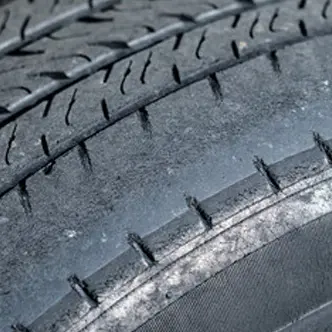
Uneven Tread Wear
One tire or axle is wearing noticeably faster than the others.
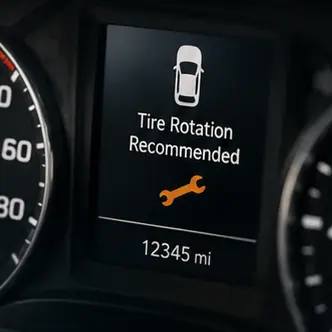
Your Vehicle Has Reached Its Rotation Interval
Follow the vehicle or tire manufacturer's recommended rotation schedule.
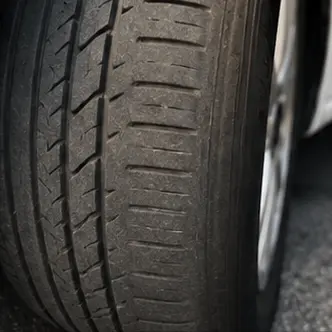
Front Tires Are Wearing Faster
Front tires often experience additional steering and braking forces.
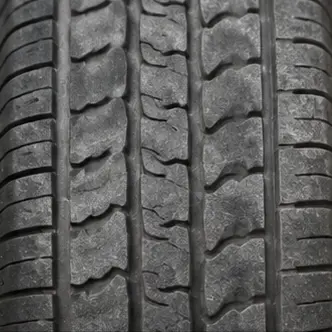
You Notice Irregular Tread Wear
Cupping, feathering, or other unusual wear patterns should be inspected.
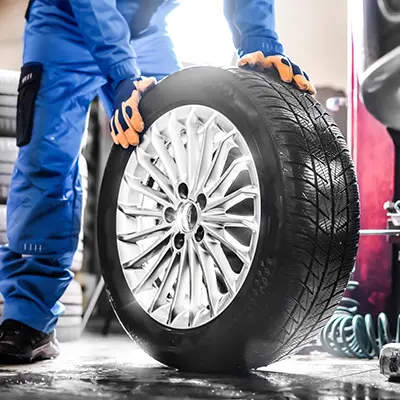
You've Installed New Tires
A consistent rotation schedule helps protect your investment in new tires.

Your Vehicle Has Been Driven Under Heavy Loads
Towing, hauling, or frequent heavy loads can affect tire wear.

You've Been Driving Under Different Conditions
Frequent highway driving, city driving, or stop-and-go traffic can influence how tires wear.

It's Been a Long Time Since Your Last Rotation
If you don't remember the last time your tires were rotated, it's a good time to have them inspected.
Benefits of Regular Tire Rotation
Get More From Your Tires
Promote Even Tire Wear
Moving tires between positions can help distribute normal tread wear more evenly.
Extend Tire Life
More consistent wear can help you get more useful mileage from your tires.
Maintain Handling
Evenly worn tires can contribute to consistent handling and road performance.
Protect Your Investment
Regular tire rotation is a simple maintenance service that can help you get the most from your tire purchase.
Identify Problems Early
A rotation gives technicians an opportunity to inspect your tires for unusual wear, damage, and other potential concerns.
Professional Tire Rotation Services
More Than Just Moving Tires
A professional tire rotation is also an opportunity to inspect the condition of your tires and identify potential problems.
Our tire rotation service may include:
Tire rotation
Tire pressure check
Tire inflation adjustment
Tread depth inspection
Tire condition inspection
Uneven wear inspection
Tire damage inspection
Wheel inspection
TPMS inspection
Wheel torque check
Visual brake inspection, where applicable
Your Tires Don't Always Wear the Same
Different Positions. Different Wear.
The tires on your vehicle can experience different levels and types of wear depending on the drivetrain, steering, braking, vehicle weight, and driving conditions.
Front-Wheel Drive:
Front tires often experience greater steering and acceleration forces.
Rear-Wheel Drive:
Rear tires can experience increased wear from transferring power to the road.
All-Wheel Drive:
Maintaining consistent tire wear and proper tire pressure is particularly important because all four tires work together with the vehicle's drivetrain.
What Tire Rotation Pattern Should I Utilize?
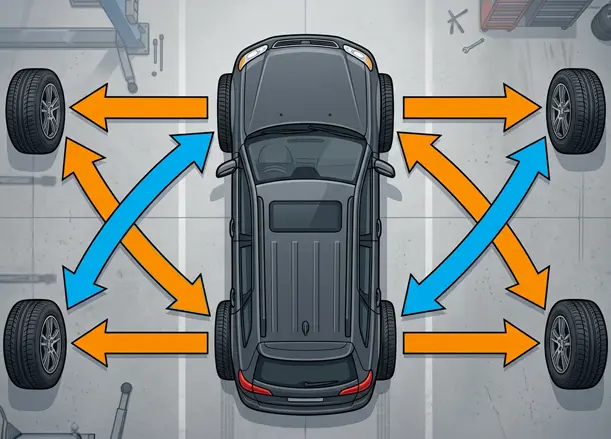
The right tire rotation pattern for your vehicle depends on several factors, including the type of tires you have and how your vehicle is configured. Front-wheel drive, rear-wheel drive, all-wheel drive, and four-wheel drive vehicles may require different rotation patterns. Tire design also matters, including whether your tires are directional or non-directional and whether the tires are the same size on all four corners.
If your vehicle has a full-size spare tire, it may also be possible to include it in the rotation pattern, helping distribute wear across all five tires. Temporary spare tires should not be included in a standard rotation.
Below, we’ll explain the common tire rotation patterns and help you understand which pattern may be appropriate for your vehicle and tires. Always refer to your vehicle owner’s manual and tire manufacturer’s recommendations for the correct rotation procedure.
REARWARD CROSS
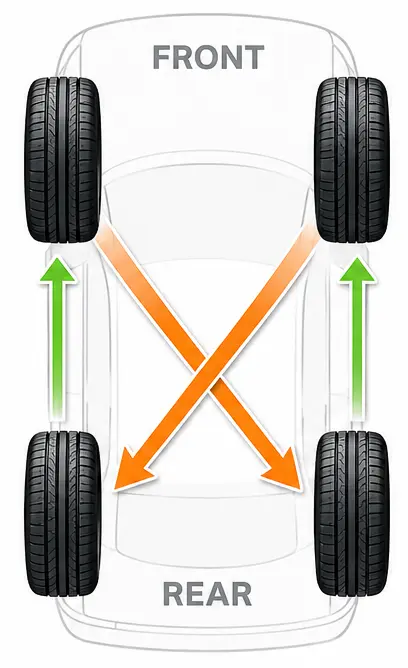
For rear wheel drive vehicles, the rearward cross pattern is recommended. Rear tires are moved to the forward axle and kept on the same side of the vehicle while the front tires are moved to opposite sides of the rear axle.
X-PATTERN
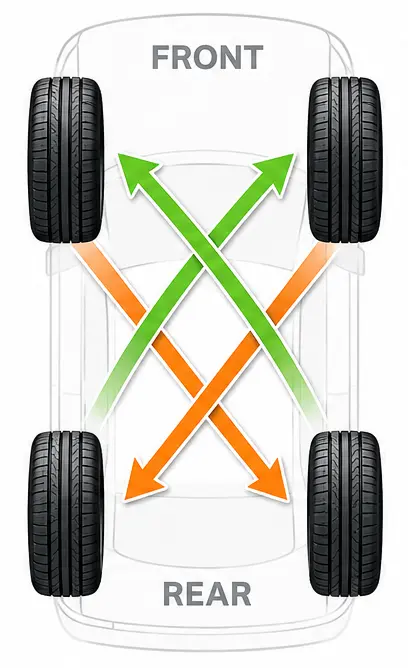
Recommended for 4-wheel and all wheel drive vehicles such as light-weight trucks and sedans, all tires are moved diagonally, meaning tires are switched from one axle to the opposite as well as being repositioned from one side to the other.
FORWARD CROSS
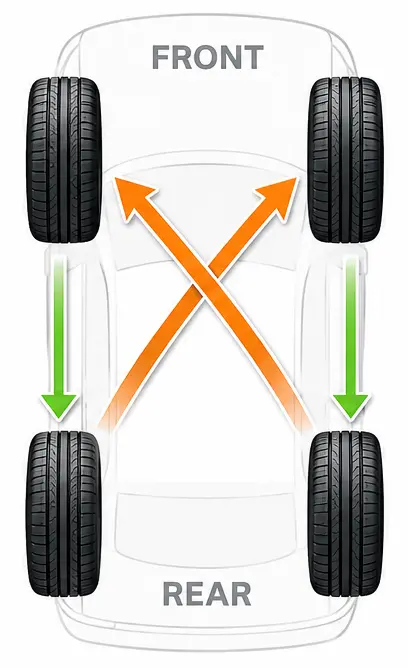
This is the most common pattern for front-wheel drive vehicles. The front axle tires are moved directly back while the rear tires are moved up diagonally to the opposite side of the front axle.